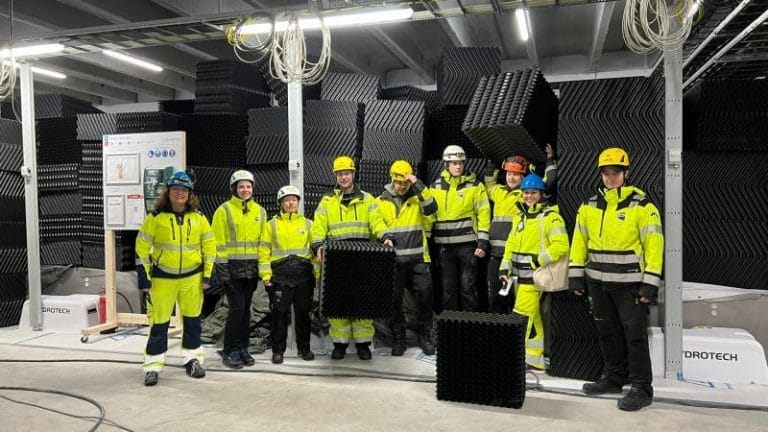
Pure Salmon Japan works with its sister company, Pure Salmon Technology, on the recirculating aquaculture systems behind the Mie facility. The relationship combines specialist technology expertise with the work of our team in Japan.
Specialist experience from Pure Salmon Technology
Pure Salmon Japan draws on the expertise of Pure Salmon Technology (PST), our sister company and RAS technology provider. Based in Norway, PST combines water treatment engineering, fish biology, automation and operational support.
Its heritage traces to Krüger Kaldnes, established in 1989. The aquaculture division was acquired in 2021 and now operates as Pure Salmon Technology.
1989Origins in water treatment and process engineering
80+Specialists reported by PST across its international team
Eggs → harvestTechnology supporting every stage of salmon production.
PST’s role in Japan
Pure Salmon Technology provides the RAS technology, water treatment systems, automation and process control for our Mie facility, supporting salmon production from eggs through to harvest.
What this brings to the project
A shared technical platform connects equipment design with fish biology and the practical requirements of operation. For a project of this scale, those interfaces matter to commissioning, production continuity and long-term asset performance.
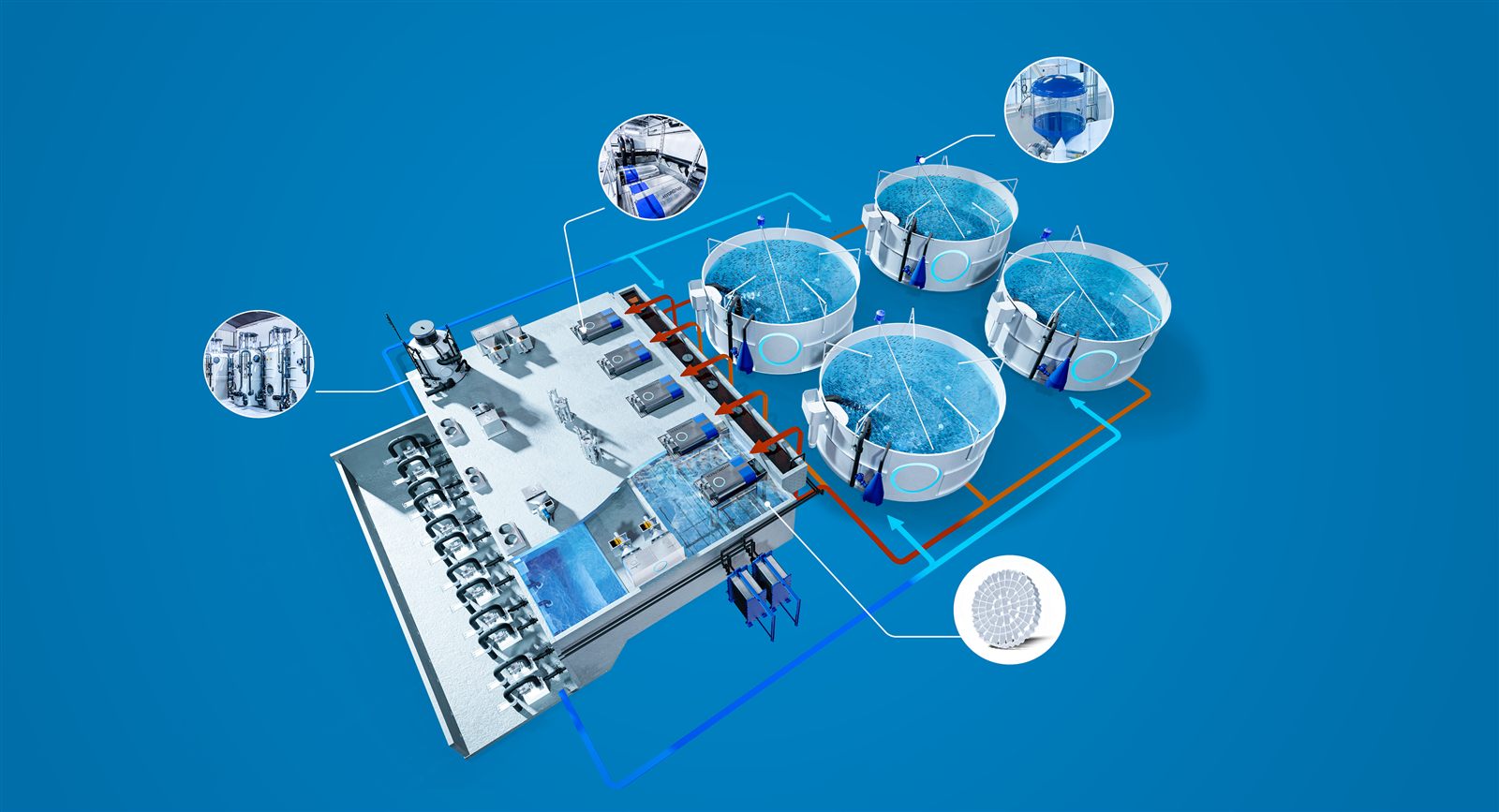
Published design capacity across seven RAS departments and 72 tanks. PST lists hatcheries, production departments, water intake, oxygenation, heating and cooling, feeding and biosafety within its delivery.
PST lists a complete RAS facility with water treatment, automation, controls and production infrastructure, illustrating the integration of biological and technical systems.
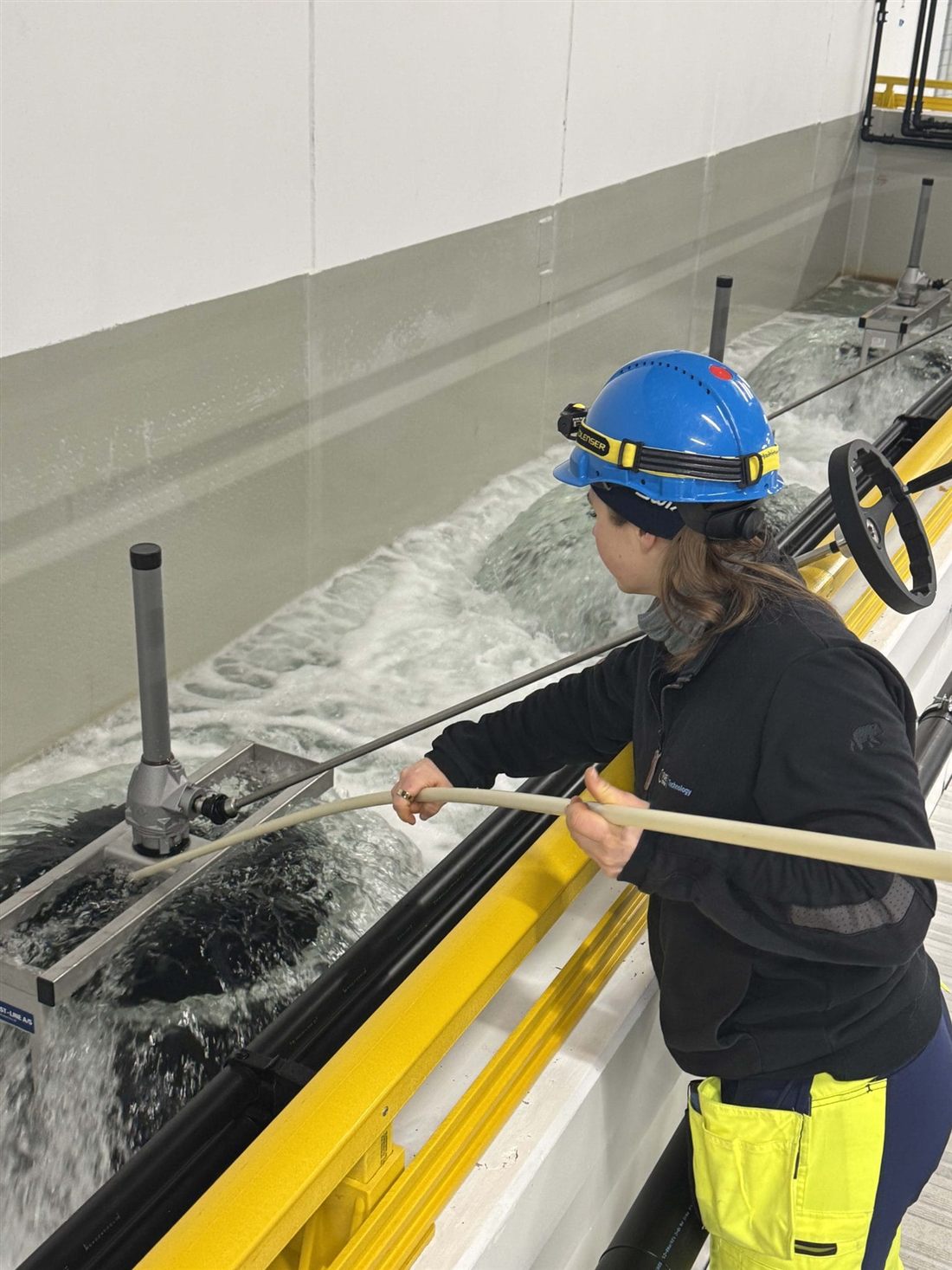
Recirculating aquaculture systems move water through treatment steps before returning it to the fish. Solids removal, biological treatment and control of water conditions are central parts of this process.
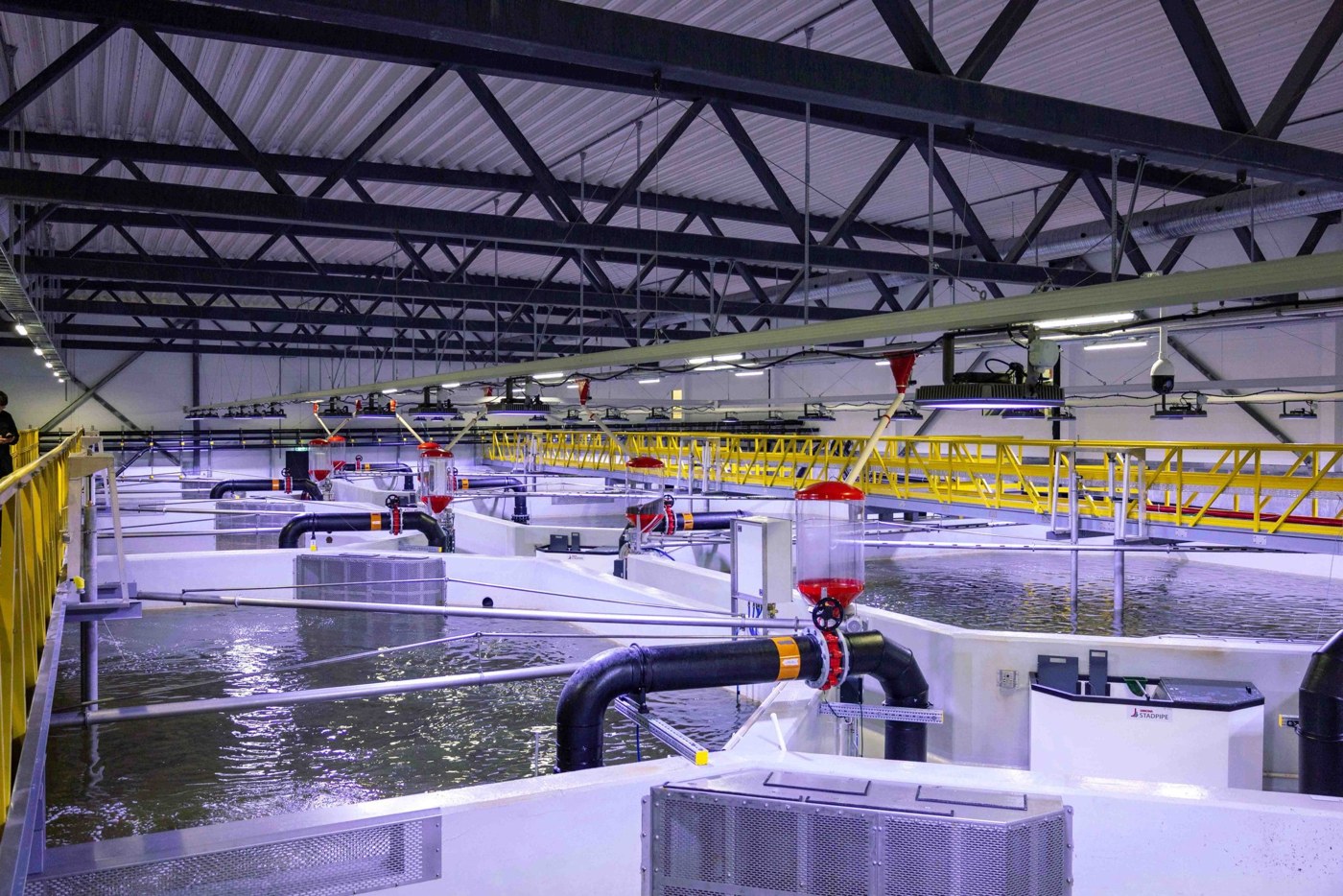
Fish tanksWater flow supports swimming and the removal of waste.
Mechanical filtrationFilters remove solids and uneaten feed before further treatment.
BiofiltrationBacteria convert ammonia via nitrite into less harmful nitrate.
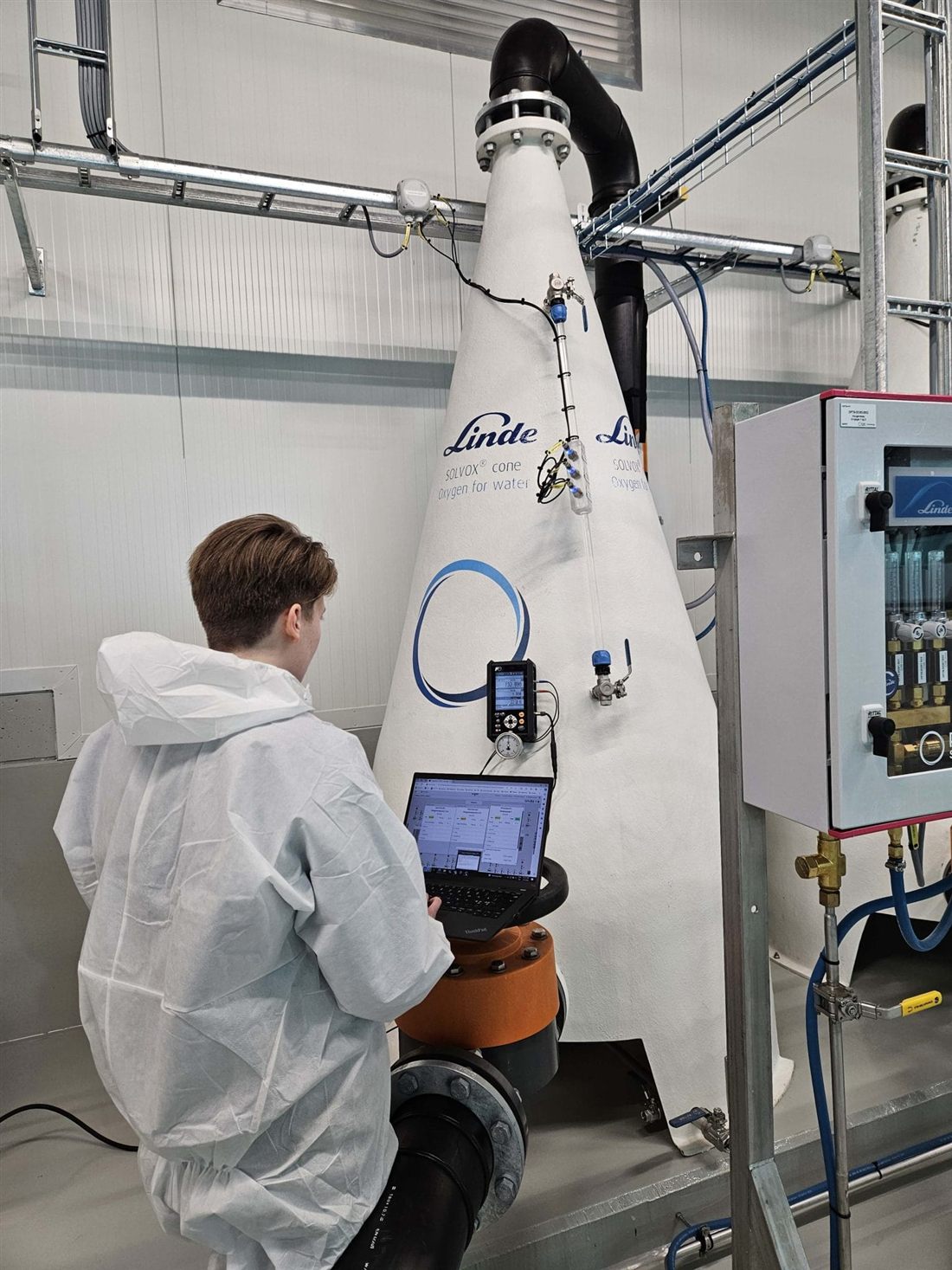
Gas managementCarbon dioxide is removed and oxygen replenished.
Water polishingAdditional treatment reduces fine particles and microbial load.
RecirculationTreated water returns to the tanks under monitored conditions.
PST identifies water treatment, energy efficiency, automation and reliability as key requirements for land-based grow-out, where biomass and treatment loads are high. These systems need to work together throughout the production cycle.
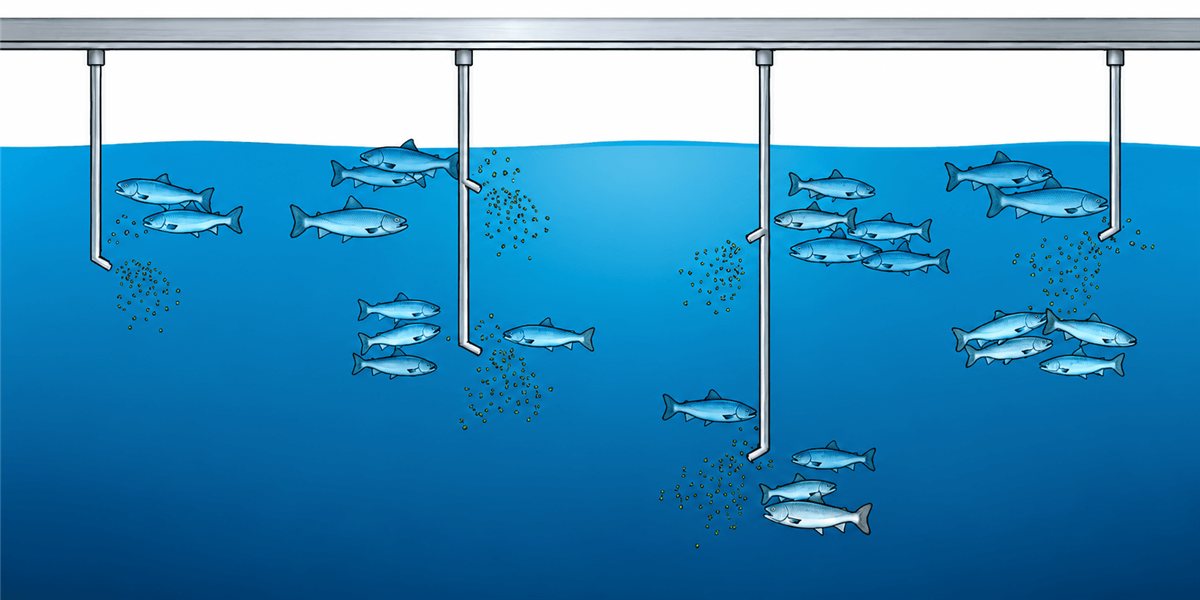
Uneaten feed and broken pellets add to the waste that water treatment has to remove. PST’s HyFlow system carries pellets to the tanks in water rather than air. It is designed to keep pellets intact and spread them evenly across the tank, so more of the feed is eaten and less reaches the filters and biofilter.
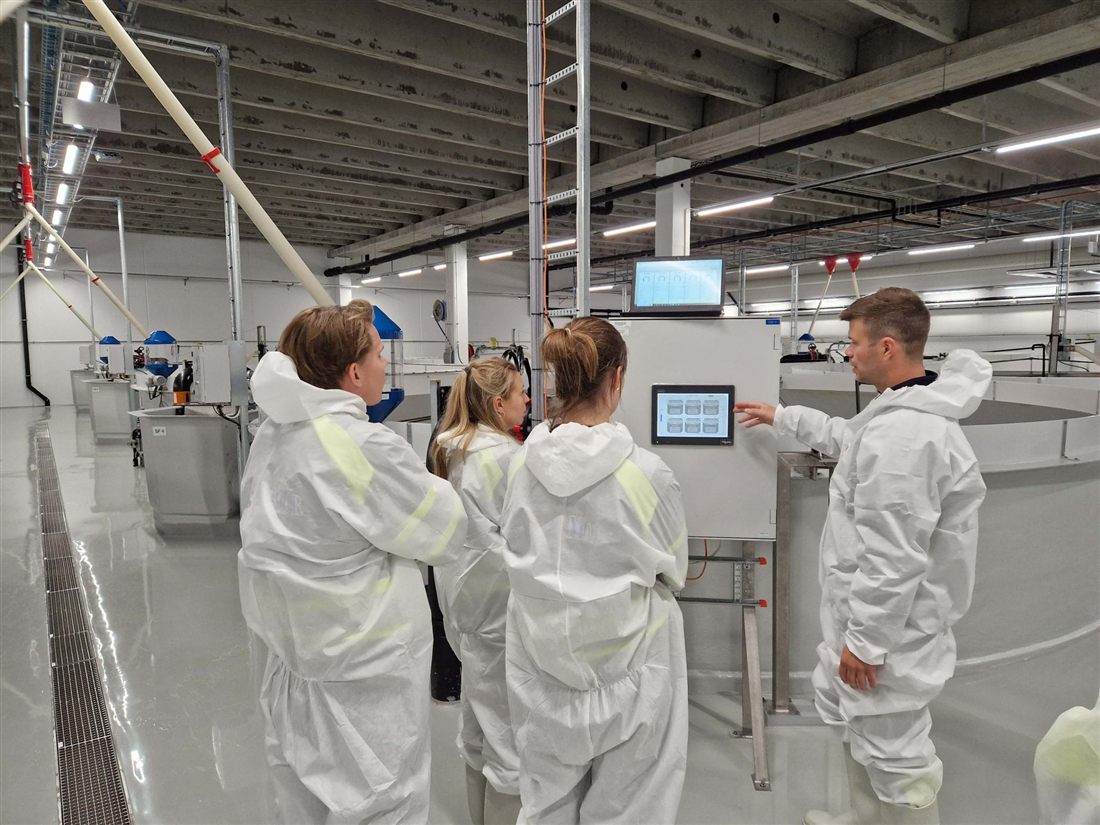
Monitoring helps operators follow the conditions in each production area and respond to changes. The practical value lies in turning measurements into informed decisions and consistent daily routines.
PST product
SCADA NJORD
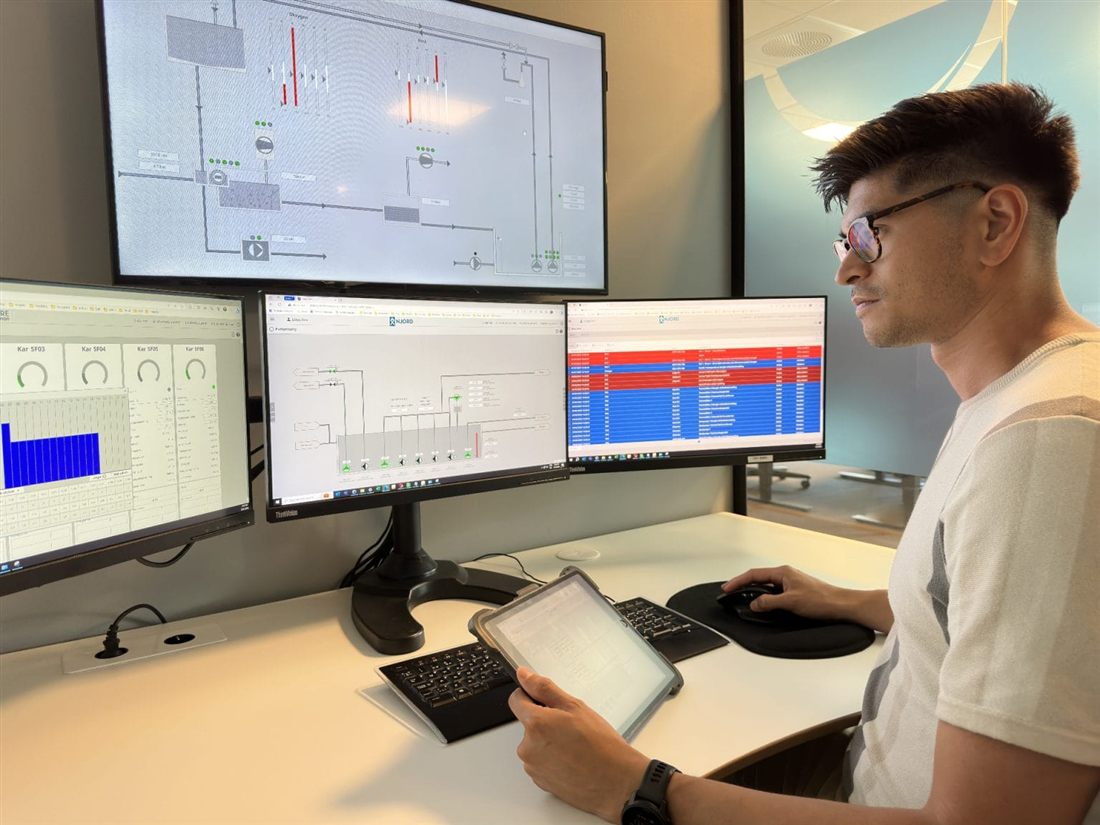
NJORD is Pure Salmon Technology’s proprietary SCADA system (supervisory control and data acquisition), built for land-based aquaculture. It brings sensors, alarms and process information into one operating interface. PST describes live and historical data, feeding and water-quality visibility, and local control for critical operations.
A common view across tanks, departments and sites.
Alarm and trend information to support investigation and response.
A modular platform that can expand with facility requirements.
PST’s fish biology team contributes to facility design, start-up and training. Water flow, cleaning, hygiene zoning and gentle fish transport are considered together with daily operating routines.
These are practical considerations for protecting stock and maintaining production continuity. Monitoring and automation support operators; trained teams remain essential.
Equipment, maintenance and operating procedures need to work together. Training, checks and clear responsibilities support the people who run the systems each day.
Standard operating procedures
PST provides procedures for operations, maintenance, biosecurity and emergency response, supporting consistent working methods and clearer responsibilities.
Why execution matters
The commercial value of a RAS facility depends on disciplined operation as well as installed equipment. Training, documented routines and access to technical expertise are important components of the transition from a completed asset to sustained production.
Training and operational support
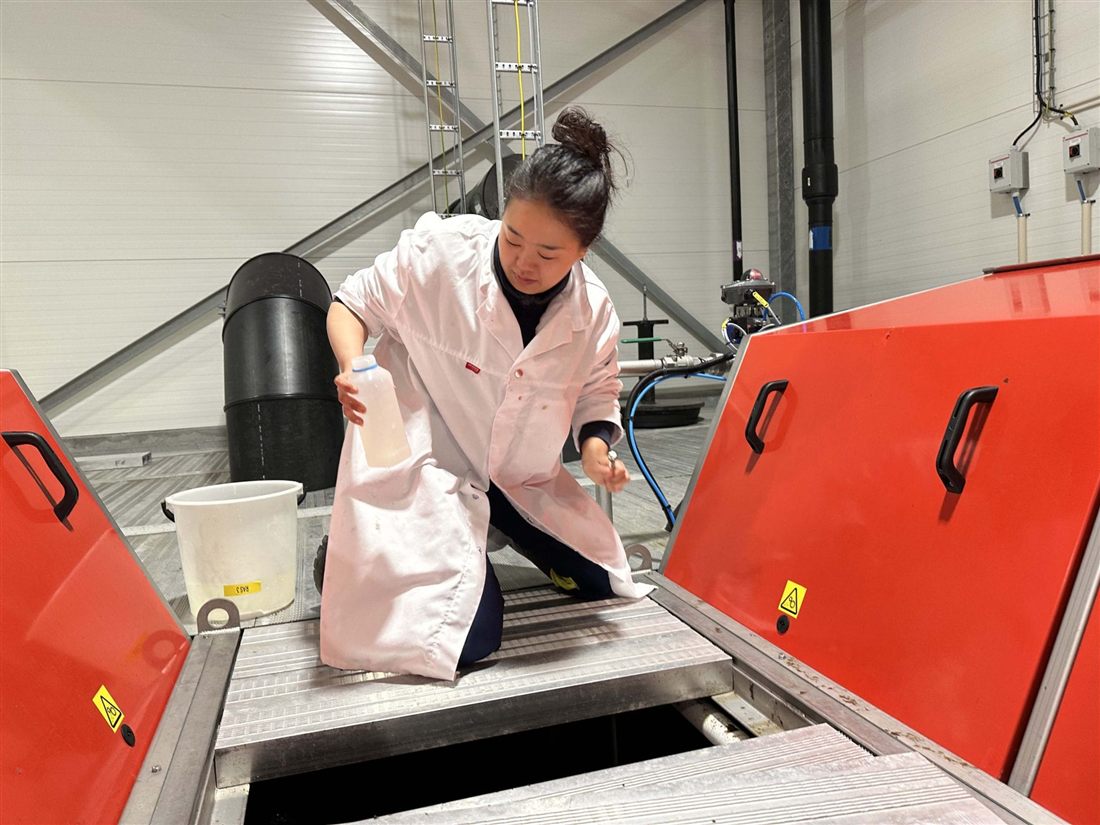
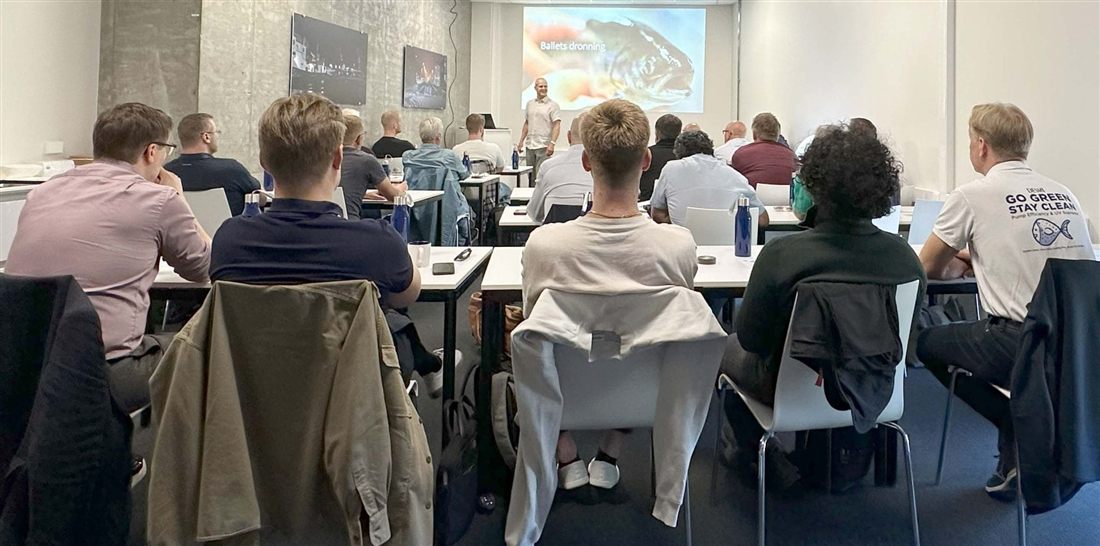
Systems are only as effective as the people operating them. Training and practical support help teams understand the processes, recognise changes and follow established operating procedures.
01
Commissioning & readiness
PST offers role-specific practical training and on-site start-up support before operators take full responsibility. The focus is familiarity with the equipment, routines and operating conditions.
02
Pure Salmon Academy
Digital courses cover RAS operation, fish welfare, biosecurity, health and safety, and production routines. Learning can be repeated and competence development documented.
Its service offering includes on-site assistance alongside farm teams and support during critical production phases, connecting operational experience with technical specialists.